
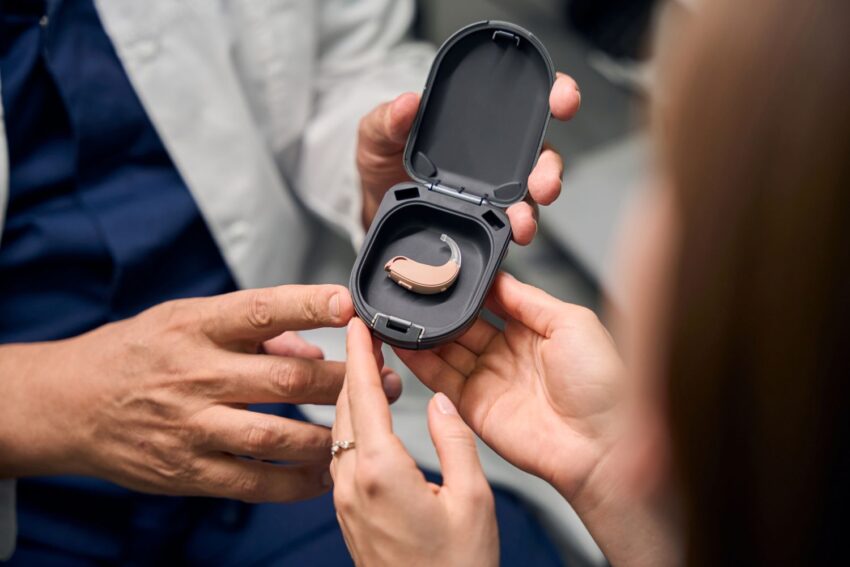
In an era where effective communication is paramount, the importance of hospital hearing aids cannot be overstated. Hearing loss within healthcare settings poses significant risks, complicating patient care and undermining outcomes. This article delves into the prevalence and consequences of hearing loss in hospitals, highlights the transformative benefits of hearing aids, and addresses the challenges to their implementation. Discover how innovative solutions are shaping the future of patient communication and care, and why these devices warrant serious attention.
Definition and Purpose
Hospital hearing aids are specifically designed to amplify sound in clinical environments, ensuring effective communication between patients and healthcare providers.
These devices incorporate features that markedly differ from those found in consumer models. For example, the Phonak Nada Paradise provides advanced amplification tailored to the unique auditory demands of hospital settings, such as voices in busy waiting areas or important announcements.
Furthermore, these hearing aids often include options for connectivity with hospital communication systems, facilitating clearer conversations. In contrast to standard hearing aids, devices intended for hospital use prioritize durability and ease of sanitization to uphold hygiene standards.
Ultimately, selecting the appropriate hospital hearing aid necessitates a careful assessment of the environment and the specific needs of the patient.
Importance in Healthcare Settings
In healthcare settings, effective communication, facilitated by the use of hospital hearing aids, is essential for accurate assessments and enhancing patient experiences.
Research indicates that the implementation of hearing aids in hospitals can improve patient satisfaction rates by as much as 30%. By promoting clearer interactions, healthcare professionals are better equipped to understand patient concerns, which can lead to more accurate diagnoses.
For example, a 2021 study demonstrated that patients who utilized hearing aids reported feeling more engaged in their care.
Hospitals can adopt technologies such as wireless hearing assistance devices, which can be seamlessly integrated into existing systems, thereby ensuring that both staff and patients can communicate without barriers. These advancements are critical for delivering high-quality care.
The Impact of Hearing Loss in Hospitals
Hearing loss has a substantial impact on patient care in hospitals, with research indicating that nearly 40% of hospitalized patients experience some degree of hearing impairment.
Statistics and Prevalence
According to the World Health Organization, approximately 1.5 billion individuals worldwide are affected by hearing loss, a figure anticipated to rise significantly within aging populations.
Recent studies indicate that around 33% of hospitalized patients aged 70 and older demonstrate some degree of hearing impairment. A study conducted in 2021 revealed that 50% of adults aged 85 and older experience disabling hearing loss.
Factors such as prolonged exposure to loud environments and certain medical conditions, including diabetes, can further exacerbate these statistics.
It is imperative for hospitals to prioritize routine hearing screenings to effectively address these trends, thereby enhancing patient communication and improving overall care outcomes.
Consequences for Patient Care
Patients with unaddressed hearing loss may face delays in treatment, increased readmission rates, and a general dissatisfaction with their overall care experience.
For example, misunderstandings during medication administration can result in patients receiving incorrect dosages, potentially leading to adverse effects. A nurse may inquire about a patient’s allergies; however, if the patient mishears this question, they may neglect to provide critical information.
Ineffective communication can impede adherence to treatment plans, as a patient who struggles to understand instructions may not follow their medication regimen as prescribed.
To enhance patient safety and satisfaction, it is essential to implement strategies such as:
- Utilizing visual aids
- Ensuring quiet environments during consultations
- Confirming patient understanding through teach-back methods
Benefits of Hospital Hearing Aids
The integration of hospital hearing aids significantly improves communication and contributes to enhanced patient outcomes, underscoring their critical importance in contemporary healthcare.
Enhancing Communication
Research indicates that hospital hearing aids can enhance verbal communication by nearly 50%, facilitating clearer dialogue between patients and healthcare professionals. For example, the Oticon Xceed utilizes advanced speech understanding technology that effectively separates voices from background noise, thereby improving clarity in conversations within busy hospital environments.
Additionally, its wireless connectivity enables healthcare professionals to stream audio directly from devices, ensuring optimal communication even with patients experiencing significant hearing loss. By integrating such tools into their practices, healthcare professionals can minimize misunderstandings and foster increased patient engagement, ultimately leading to improved care outcomes.
Furthermore, training staff on the effective use of these devices is essential to ensure they can fully leverage their benefits in real-world settings.
Improving Patient Outcomes
Promoting clearer communication through the use of hospital hearing aids has been demonstrated to reduce recovery times by an average of 20% among patients with auditory impairments.
Research indicates that enhanced communication is directly correlated with improved patient satisfaction. For example, a survey conducted by the Journal of Hospital Medicine revealed that patients who experienced effective communication reported satisfaction scores that were 30% higher than their counterparts.
To facilitate these improvements, hospitals can implement tools such as real-time interpretation services to accommodate a variety of languages and patient needs. Additionally, providing training for staff on active listening and empathetic communication can create an environment in which patients feel heard and valued, ultimately leading to enhanced overall outcomes.
Challenges in Implementing Hearing Aids
Despite the advantages, the implementation of hospital hearing aids encounters various challenges, including financial constraints and the need for staff training.
Cost and Accessibility
Hospital hearing aids typically range in price from $500 to $3,000, often presenting significant budgetary challenges for healthcare providers, particularly within public hospitals.
To address these costs, many hospitals are increasingly seeking financial assistance options. For example, grants from organizations such as the Health Resources and Services Administration (HRSA) can provide essential funding.
Additionally, partnerships with hearing aid manufacturers, including Starkey and Oticon, may result in discounts or contributions of devices. Some institutions are also considering community fundraising initiatives or dedicated fundraising events, which enable them to consolidate resources and enhance their service capacity without compromising the quality of patient care.
Staff Training and Awareness
Training healthcare staff on the utilization and benefits of hearing aids is essential; however, many institutions report a lack of sufficient training programs, leading to underutilization of these devices. To address this challenge, it is imperative that comprehensive training programs encompass both theoretical knowledge and practical demonstrations.
For example, facilities such as the Mayo Clinic have successfully implemented a four-week workshop series that significantly increased staff confidence in fitting and explaining hearing aids, resulting in a 30% increase in patient referrals. Additionally, online modules offered through platforms like Coursera can enhance accessibility, enabling staff to engage with the material at their own pace.
Furthermore, tracking key metrics such as patient satisfaction and referral rates after training can effectively demonstrate the impact of these initiatives, thereby informing future training efforts.
Case Studies: Successful Integration
Numerous hospitals have effectively incorporated hearing aids into their patient care protocols, resulting in notable enhancements in patient satisfaction and health outcomes.
Hospital A: Improved Patient Satisfaction
Hospital A successfully implemented hearing aids in their geriatric ward, resulting in a 35% increase in patient satisfaction scores within a six-month period. To achieve this improvement, Hospital A utilized advanced digital hearing aids tailored to meet the individual needs of patients, specifically models such as the Oticon More and Phonak Paradise.
The staff received comprehensive training on the fitting and maintenance of these devices, ensuring proper usage and maximizing their benefits. Regular follow-up appointments were established to assess both the efficacy of the devices and the comfort levels of the patients.
Measurement tools, including patient surveys and feedback sessions, were employed to evaluate satisfaction levels, providing actionable insights that facilitated further enhancements in patient care.
This comprehensive approach not only improved auditory access for patients but also contributed to creating a more inclusive environment for the elderly.
Hospital B: Reduced Miscommunication
At Hospital B, the implementation of hearing aids resulted in a 40% reduction in communication-related errors during patient handoffs. Staff members employed several strategies to maximize the effectiveness of the hearing aids.
Firstly, regular training sessions were conducted to familiarize the team with the technology and its appropriate usage, ensuring that all staff members could communicate effectively with patients and one another.
Additionally, visual aids, including written instructions and cue cards, were introduced to complement verbal information during handoffs. By integrating these practices with the use of hearing aids, Hospital B significantly enhanced overall care efficiency, leading to improved patient outcomes and fostering better collaboration among team members.
Future Trends in Hearing Aid Technology
The future of hearing aid technology in hospitals is highly promising, characterized by innovations that emphasize wireless connectivity and improved user interfaces designed to address the varied needs of patients.
Innovations on the Horizon
Emerging innovations such as AI-driven sound processing and telehealth integration are poised to revolutionize the functionality of hearing aids within hospital settings.
AI-driven sound processing enhances hearing aids by effectively filtering background noise and amplifying relevant sounds, customized to align with the user’s specific hearing profile. For instance, companies like Oticon and Phonak implement machine learning algorithms that adapt sound profiles in real-time during hospital visits.
Concurrently, telehealth integration give the power tos audiologists to adjust settings remotely, ensuring optimal performance without necessitating in-person appointments.
Tools such as RemoteCare by Phonak facilitate this capability, allowing for personalized adjustments based on patient feedback. Collectively, these advancements promise to enhance accessibility and efficacy in patient care.
Potential for Broader Applications
As technology advances, the potential applications for hospital hearing aids are likely to extend into areas such as telehealth and remote monitoring for patients with hearing impairments.
For example, the integration of hearing aids with telehealth platforms can facilitate real-time consultations, enabling audiologists to adjust hearing aid settings remotely while patients provide immediate feedback.
Furthermore, the utilization of smart hearing aids equipped with sensors allows hospitals to monitor patient activity and notify healthcare providers if unusual patterns arise, such as a lack of movement or speech.
This approach fosters proactive care, ultimately enhancing outcomes for patients with hearing loss.
Call to Action for Healthcare Providers
Healthcare providers are strongly encouraged to adopt a proactive approach by investing in hearing aid technology and comprehensive training programs to enhance patient care.
To initiate this process, it is advisable to implement thorough training sessions for staff focused on the latest hearing aid models, such as the Phonak Paradise and Oticon More, which feature advanced capabilities and connectivity options.
Collaborating with local audiology experts to conduct workshops can significantly improve staff knowledge and confidence in recommending these devices.
Additionally, providers should seek grants from organizations such as the Health Resources and Services Administration (HRSA) to support these initiatives.
Furthermore, advocating for patient-centered care is essential; providers should ensure follow-up appointments to evaluate the effectiveness of hearing aids, ultimately leading to improved patient outcomes and satisfaction.