
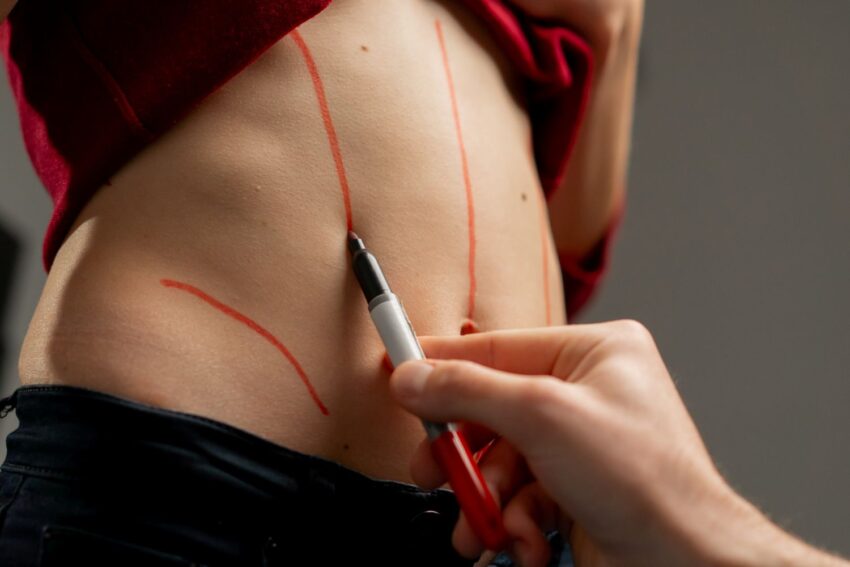
The journey to a flatter abdomen is often fraught with challenges, where diet and exercise alone may fall short of achieving desired results. Understanding the allure of the tummy tuck as a solution becomes crucial for those grappling with stubborn fat and loose skin. This exploration delves into the procedure, the limitations of traditional fitness, candidacy criteria, and the potential risks and benefits, ultimately guiding readers toward informed decisions about their body image goals.
Understanding the Procedure
The tummy tuck procedure, also known as abdominoplasty, typically entails the removal of excess skin and adipose tissue from the abdominal area, accompanied by the tightening of underlying muscles. The average duration of the surgery ranges from 2 to 5 hours.
Anesthesia options for this procedure generally include general anesthesia, which induces complete unconsciousness, or local anesthesia in conjunction with sedation, providing targeted comfort for the patient.
The incision is usually made just above the pubic area, extending horizontally to minimize visible scarring. The recovery period can vary among patients; however, most individuals require approximately 1 to 2 weeks away from work, with full healing expected to take about six months.
Employing advanced techniques, such as the VASER system, can significantly enhance body contouring outcomes while also reducing recovery time by minimizing tissue trauma.
Common Reasons for Seeking Surgery
The primary motivations for individuals pursuing a tummy tuck procedure include significant weight loss, which accounts for approximately 30% of patients, post-pregnancy body restoration, and the need to address issues related to skin elasticity.
Many patients report experiencing an increase in self-confidence and an improved body image following the procedure. For example, a study published in *Plastic and Reconstructive Surgery* found that 76% of participants expressed greater satisfaction with their appearance after surgery.
Additionally, some individuals seek relief from physical discomfort associated with excess skin, such as rashes or infections. Instruments like the ‘Body Image Satisfaction Scale’ can assist potential patients in evaluating their feelings about their body before undergoing surgery, thereby promoting knowledge-based decision making.
Ultimately, these motivations reflect a combination of aesthetic desires and health-related concerns.
Limitations of Exercise
Despite maintaining a regimen of regular exercise and healthy dietary practices, many individuals encounter challenges with localized fat deposits that are resistant to conventional weight-loss strategies.
This can result in significant frustration and adversely affect self-esteem.
Why Diet and Exercise Can Fall Short
Research indicates that, on average, diet and exercise alone result in only a 5-10% reduction in body fat, often leaving patients dissatisfied. This limited efficacy can be attributed to various factors, including genetics, hormonal imbalances, and individual metabolic rates.
For example, a study published in the Journal of Obesity noted that individuals with specific genetic markers may encounter difficulties in losing weight despite strict adherence to diet and exercise protocols. Personal testimonials from patients at weight loss clinics further highlight frustrations with slow progress, which leads many to explore additional strategies such as behavioral therapy or weight-loss medications.
These alternatives frequently offer more comprehensive support, enabling tailored approaches that effectively address underlying issues.
Body Types and Fat Distribution
Genetics significantly influence fat distribution, with specific body types, such as apple-shaped and pear-shaped, exhibiting a greater tendency for stubborn abdominal fat that cannot be easily mitigated by diet and exercise alone.
Understanding these body types is essential for tailoring effective weight loss strategies. Individuals with an apple-shaped body may find that incorporating cardiovascular exercises, such as running or cycling, effectively targets visceral fat. Conversely, those with a pear-shaped body should prioritize strength training exercises, including squats and lunges, to enhance muscle development in the lower body.
Utilizing tools such as MyFitnessPal for tracking dietary intake or wearable fitness trackers like Fitbit can enhance accountability and progress monitoring. A personalized approach that combines appropriate workouts with proper nutrition can lead to significantly improved outcomes, as genetic predispositions are thoughtfully considered in lifestyle choices.
Who is a Good Candidate?
Evaluating the suitability for a tummy tuck requires a comprehensive assessment of both physical health metrics and emotional readiness.
It is essential to ensure that patients possess realistic expectations regarding the potential outcomes of the procedure.
Physical Health Considerations
Candidates are expected to have a Body Mass Index (BMI) under 30 and to be free from underlying health conditions such as diabetes in order to minimize surgical risks and promote effective recovery.
During pre-operative assessments, a comprehensive evaluation of several health metrics is conducted. Initially, a complete metabolic panel is performed to assess kidney and liver function, which is critical for ensuring the safety of anesthesia administration. Blood tests to measure glucose levels are also undertaken to identify any potential diabetes.
Additionally, a thorough cardiovascular evaluation, including an electrocardiogram (ECG), is conducted to assess heart health.
Furthermore, candidates are required to undergo a nutritional assessment to evaluate their dietary habits and to determine any necessary weight management strategies prior to surgery. Each of these evaluations is essential for ensuring that the procedure is carried out under optimal health conditions, thereby enhancing recovery outcomes.
Emotional Readiness and Expectations
Emotional readiness is a critical factor in the surgical process, with studies indicating that 70% of patients report enhanced self-esteem following surgery when their expectations align with realistic outcomes.
To evaluate emotional and psychological readiness, clinicians frequently employ assessment tools such as the Body Image Scale, which assists in measuring a patient’s perceptions and expectations concerning their bodies.
Structured interviews and questionnaires can also yield valuable insights into an individual’s mental health status and support systems. For example, the Validation of the Body Image Scale enables healthcare providers to quantify patients’ concerns and emotional responses.
By equipping patients with these assessments, healthcare professionals ensure that individuals are not only physically prepared but also mentally equipped to navigate the changes associated with surgical procedures.
Risks and Benefits of a Tummy Tuck
Although tummy tucks can provide considerable aesthetic advantages, they are also associated with certain risks.
Therefore, it is essential to conduct a comprehensive evaluation of both the benefits and potential drawbacks prior to making a decision to proceed with the procedure.
Potential Complications
Potential complications associated with tummy tucks include infection, with a risk of approximately 2-3%, seroma formation, and delayed wound healing, all of which may affect recovery timelines. To minimize these risks, patients are advised to adhere to several essential precautions during the recovery period.
- First, it is crucial to follow the surgeon’s post-operative instructions meticulously, including compliance with prescribed medications to prevent infection.
- Second, managing activity levels is important; while light movements may be encouraged, patients should refrain from heavy lifting for at least six weeks.
- Third, maintaining adequate hydration and a balanced diet is vital to promote healing.
By implementing these strategies, patients can not only reduce the likelihood of complications but also significantly shorten their recovery time. This is supported by various case studies in which diligent patients reported quicker returns to their normal activities.
Long-Term Results and Satisfaction
Long-term studies indicate that over 80% of patients express satisfaction with their tummy tuck results after a five-year period, highlighting the procedure’s effectiveness in achieving aesthetic objectives.
To evaluate patient satisfaction and long-term outcomes, clinics routinely conduct comprehensive surveys following surgery. These assessments typically measure various metrics, including overall satisfaction, pain levels, and perceived improvements in quality of life.
For example, a widely used survey tool, SurveyMonkey, enables clinics to customize questionnaires and analyze responses efficiently. Patient testimonials play a crucial role in this process; sharing personal experiences on social media platforms can help prospective patients relate to the procedure.
A recent patient, Emily, remarked, “My confidence soared after the procedure,” emphasizing that the outcomes often extend beyond physical transformations.
Recovery Process
The recovery process following a tummy tuck generally extends over a period of 4 to 6 weeks. During this time, patients are required to follow detailed care guidelines to promote optimal healing and achieve the best possible results.
What to Expect Post-Surgery
Patients can anticipate experiencing bruising, swelling, and discomfort during the first two weeks following surgery, with gradual improvement as the healing process progresses. During this time, it is essential to manage pain effectively. Over-the-counter pain relievers, such as ibuprofen, may prove beneficial, while the application of ice packs can help mitigate swelling.
Patients are advised to refrain from engaging in strenuous activities and heavy lifting, as these may exacerbate discomfort and hinder recovery. After the two-week period, some residual tenderness may still be present; light stretching can be helpful, although any sharp pain should be evaluated by a medical professional.
If symptoms worsen or signs of infection emerge, such as increased redness or fever, it is advisable to contact your doctor promptly.
Tips for a Smooth Recovery
Adhering to a set of essential recovery tips can significantly enhance the healing process. It is important to remain adequately hydrated, avoid strenuous activities, and maintain a balanced diet to promote tissue repair.
Incorporating specific foods into one’s diet can further support recovery. Lean proteins, such as chicken and fish, are beneficial for muscle repair, while foods rich in vitamins, including leafy greens and berries, contribute to improved immune function.
Hydration should not be overlooked; it is advisable to aim for at least eight glasses of water daily. Additionally, prioritizing rest and sleep is crucial for optimal healing. Creating a relaxing sleep environment and maintaining a consistent sleep schedule can facilitate this process.
For more comprehensive guidance, it is recommended to consult resources provided by the American Society of Plastic Surgeons.
Alternatives to Tummy Tucks
Individuals seeking alternatives to invasive tummy tucks will find a variety of non-surgical options that offer body contouring with reduced risk and shorter recovery time.
Non-Surgical Options
Non-surgical options, such as CoolSculpting, are priced starting at approximately $2,000 per session and offer the advantage of reducing fat layers without the need for surgical intervention, making them appealing to a wide range of patients.
Alternatives such as SculpSure, which costs around $1,500 per session, utilize laser technology to effectively melt fat. Patients typically begin to observe results within a few weeks, and the procedure involves minimal downtime.
Kybella, priced at approximately $600 per vial, specifically targets submental fat and can enhance the definition of the jawline. Ideal candidates for this treatment are often individuals who are close to their target weight but are experiencing difficulty with stubborn areas of fat.
Before-and-after photographs serve as compelling evidence of the efficacy of these treatments, with CoolSculpting demonstrating the capability to reduce fat by up to 25% in a treated area, thereby providing visual validation of its success.
Combination Approaches
A combination approach, such as pairing abdominoplasty with liposuction, can optimize results by addressing both skin and adipose tissue for comprehensive body contouring. This synergy significantly enhances the overall aesthetic outcome, as the abdominoplasty procedure tightens the abdominal skin while liposuction effectively removes excess fat.
To achieve optimal results, it is advisable to consult with a board-certified plastic surgeon who specializes in body contouring. Such a professional can evaluate your unique body composition and recommend specific surgical techniques tailored to achieve your desired outcomes.
For example, certain patients may benefit from a high-definition liposuction technique that more distinctly contours the abdominal muscles, thereby enhancing the effects of the abdominoplasty. Before proceeding, it is essential to fully understand the recovery protocols and time frames, as these can vary considerably among individuals.
Consulting with Professionals
Consulting with a board-certified plastic surgeon is essential, as they can provide personalized evaluations and insights tailored to individual health and aesthetic objectives.
It is important to verify their credentials, ensuring that they are not only board-certified but also possess substantial experience in the specific procedure under consideration.
Inquiring about their success rates and requesting before-and-after photographs from past patients can help assess the quality of their work. Additionally, it is beneficial to discuss their approach to patient care and their protocols for managing complications.
One should trust their instincts; a reputable surgeon will encourage inquiries, maintain transparency regarding risks, and assist in establishing realistic expectations.
Personal Reflection and Goals
Reflecting on personal goals and body image concerns can significantly impact the decision to pursue a tummy tuck, highlighting the psychological dimensions of cosmetic surgery.
To facilitate this self-reflection, it may be beneficial to utilize a guided worksheet designed to prompt exploration of one’s motivations. Consider the following questions:
- What are my expectations following the surgery?
- How do I perceive my current body?
- Which aspects of my appearance do I wish to enhance?
Additionally, maintaining a journal to document feelings regarding body image both before and after the procedure can be invaluable. Resources such as ‘The Body Image Workbook’ offer structured prompts and exercises that can aid in this introspective process. Allocating time to clarify these feelings is crucial for making an informed decision.